Slipped Disc Treatment
Up To 90% Success Rate
Specialist Slipped Disc Treatment London
We offer treatment for slipped discs in London at The Proback Clinic in Victoria. A slipped disc or bulging disc are popular terms for a medical condition known as a Herniated Vertebral Disc and is commonly associated with chronic, severe pain and radiating pain either down the leg when the damage is in the lower back or down the arm when the damage is in the neck.
{
“@context”: “https://schema.org”,
“@type”: “FAQPage”,
“mainEntity”: [{
“@type”: “Question”,
“name”: “What is a slipped disc?”,
“acceptedAnswer”: {
“@type”: “Answer”,
“text”: “In the spine, discs act as a cushion between each vertebrae, protecting the spine from the impact of daily activities. If a disc becomes damaged or dehydrated, it can cause the disc to crack. The crack can create a bulge that can apply pressure to certain nerves. Nerves compression can cause pain, weakness, numbness or tingling in different areas of the body depending on which nerve has been affected.”
}
}, {
“@type”: “Question”,
“name”: “What causes a slipped disc?”,
“acceptedAnswer”: {
“@type”: “Answer”,
“text”: “Trauma, incorrect posture, being overweight, sitting or driving for long periods of time in a car or lorry, can speed up the degeneration of your discs. Lack of movement in an area of the spine causes a reduction in the amount of nutrients pumped through the discs; and this can cause them to become dehydrated and vulnerable to cracking.”
}
}, {
“@type”: “Question”,
“name”: “How can shockwave therapy help a slipped disc?”,
“acceptedAnswer”: {
“@type”: “Answer”,
“text”: “Shockwave therapy uses a light tapping motion to break down scar tissue in a damaged area of the spine. This can help to improve the movement and flexibility of your spine. Increased movement in the spine helps to effectively pump nutrients back into the discs to rehydrate them.”
}
}, {
“@type”: “Question”,
“name”: “How can spinal decompression therapy help a slipped disc?”,
“acceptedAnswer”: {
“@type”: “Answer”,
“text”: “Spinal decompression uses a small amount of your body weight to stretch the spine in a safe and gentle way. This helps to relieve pressure on the nerves, and allow for essential nutrients, oxygen and hydration to re-enter the disc space. This creates a better healing environment so your spine can begin to repair itself.”
}
}, {
“@type”: “Question”,
“name” : “Is spinal decompression painful”,
“acceptedAnswer”: {
“@type”: “Answer”,
“text”:”When the treatment is right for the patient, spinal decompression should not be a painful experience. The treatment is very safe, and most of our current patients find it a relaxing experience. Some patients with severely injured discs may find they feel tender during or after the session but this usually goes away once they’ve had a few treatments.”}
}]
}
Structure of a Vertebral Disc
The vertebrae in the spine are separated by a form of cartilage, known as discs. These discs contain a central cushioning material similar to gel known as the nucleus, and act to protect the vertebrae from the impact of daily activities such as walking, running, sitting and lifting; this gel is wrapped in multiple layers of ligament rings known collectively as the annulus.
Causes of Disc Damage
The disc material can be damaged by sudden trauma or worn down over time through poor biomechanics, incorrect posture, or sitting for long periods. The damage caused means the discs can’t give the vertebrae the right level of protection. This then puts pressure on the rest of the spine, or in some cases on a specific nerve; this damage to the disc is known as a herniation.
When discs are damaged there are multiple ways in which pain can be generated.
- When a disc tears under pressure, this can create a bulge which then puts pressure on the nerves adjacent.
- Tears in the outer fibres of a disc are directly innervated and therefore pain is felt without the need for pressure on the adjacent nerve (can create pain patterns that MRI’s don’t necessarily identify).
- Inflammation caused by damage to the nucleus or annulus can leak inflammatory chemicals which irritate the adjacent nerve (can create pain patterns that MRI’s don’t necessarily identify).
- Collapsing or wedging of the disc can cause a direct physical entrapment of the nerve often on the opposite side to the bulge.
- Degenerative damage to the disc can cause a loss of disc height reducing the space, which causes entrapement of the nerve.
Symptoms of a Slipped Disc
As explained disc pain be direct or indirect, but often the discomfort follows a nerve related pattern which has some specific tells.
- Pain is often initially sharp and can shoot down the arm or leg
- Muscle spasm often is accompanying meaning patients are braced, find it hard to straighten up or are listing to the side
- Chronic pain that is generally less intense but often with associated weakness, tingling or numbness into other areas of the body
- Severe cases can result in inability to contract muscles when weight bearing something known as a ‘drop foot’


Our Slipped Disc Treatments
During our consultation process, we’ll decide which of our treatments for slipped discs would be best for you. Generally, the best treatment for slipped disc is a combination of shockwave therapy to help with mechanical dysfunction and mobility; which is combined with spinal decompression treatments to directly regenerate the disc material.
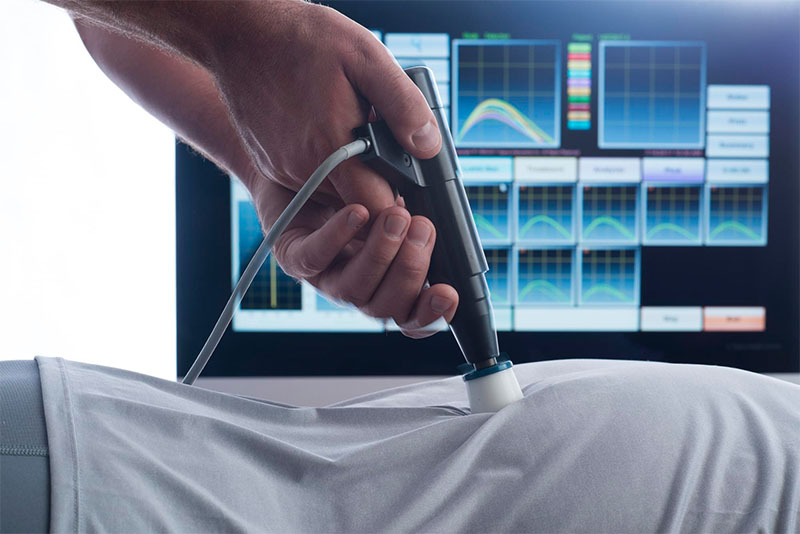
Shockwave therapy helps break down scar tissue in the affected area freeing up the movement of the muscles and joint. The increase in bio-mechanics can pump lost nutrients back into the disc, which in turn helps re-hydrate the nucleus that created the bulge. Correcting imbalances in the posture and muscle tone is also essential so that the discs aren’t continuing to be improperly compressed by the same forces that caused the initial annular damage.

Spinal Decompression Therapy
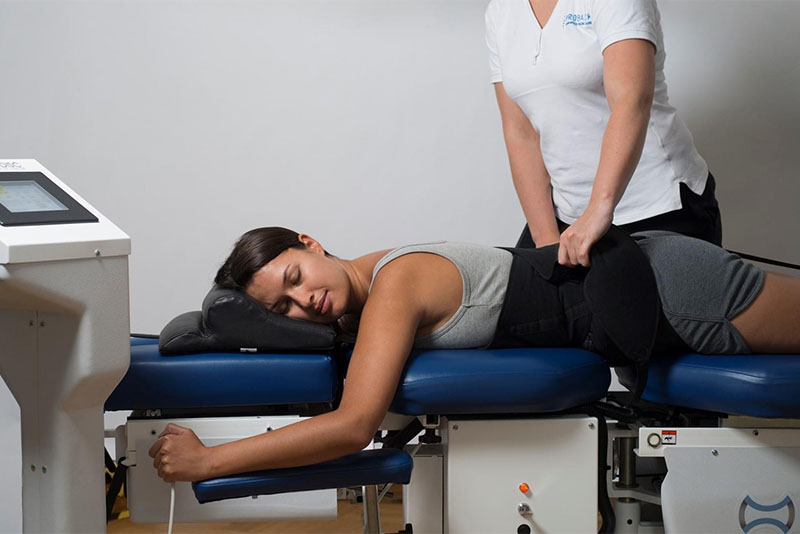
Spinal decompression can be used on either the neck or lower back, and uses a small amount of your body weight to apply a gentle traction force to the spine and treat a slipped disc. By applying an axial traction to the spine, we are able to put the spine into a negative pressure allowing it to decompress and most significantly allows nutrients, oxygen and fluids to flood back into the damaged discs. By using the latest generation of traction systems now known as decompression tables we’re can set specific computerised patterns of pull, highly specific to each case which research has suggested to be much more reliable than ‘old school’ IDD therapy tables.
Pumping the nutrients back into the disc is a vital part of treatment for a slipped disc, helping revitalise the healing environment within your spine. This allows for improvements to continue even after the slipped disc treatment has ended.
FAQs
In the spine, discs act as a cushion between each vertebrae, protecting the spine from the impact of daily activities. If a disc becomes damaged or dehydrated, it can cause the disc to crack. The crack can create a bulge that can apply pressure to certain nerves. Nerves compression can cause pain, weakness, numbness or tingling in different areas of the body depending on which nerve has been affected.
Trauma, incorrect posture, being overweight, sitting or driving for long periods of time in a car or lorry, can speed up the degeneration of your discs. Lack of movement in an area of the spine causes a reduction in the amount of nutrients pumped through the discs; and this can cause them to become dehydrated and vulnerable to cracking.
Shockwave therapy uses a light tapping motion to break down scar tissue in a damaged area of the spine. This can help to improve the movement and flexibility of your spine. Increased movement in the spine helps to effectively pump nutrients back into the discs to rehydrate them.
Spinal decompression uses a small amount of your body weight to stretch the spine in a safe and gentle way. This helps to relieve pressure on the nerves, and allow for essential nutrients, oxygen and hydration to re-enter the disc space. This creates a better healing environment so your spine can begin to repair itself.
When the treatment is right for the patient, spinal decompression should not be a painful experience. The treatment is very safe, and most of our current patients find it a relaxing experience. Some patients with severely injured discs may find they feel tender during or after the session but this usually goes away once they’ve had a few treatments.
Award-Winning Treatments
Gentle Non-Surgical Chiropractic Therapy


Patient Stories
9/10 Recommend Us


SYMPTOMS
Back Pain

TREATMENT
Radial Shockwave Therapy
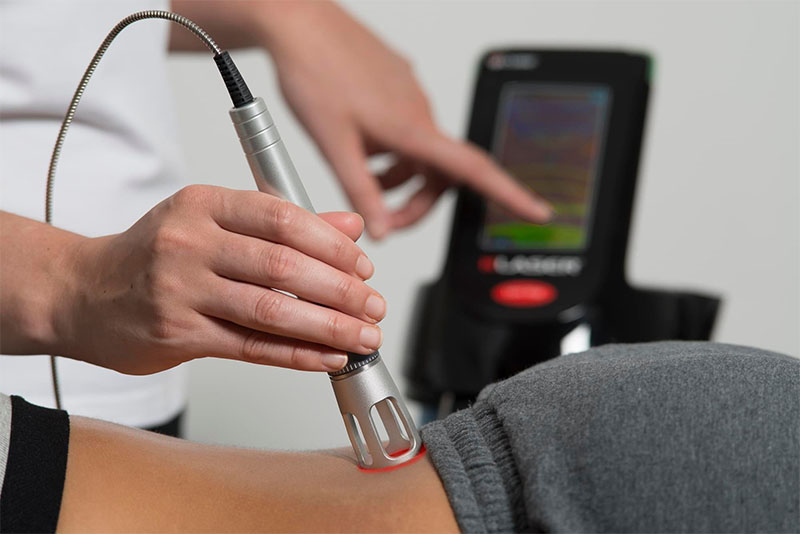
K-Laser Therapy
Vladimir’s story started with knee pain. He had experienced this for a number of years alongside an underlying back problem. After surgeries and multiple injections to his knee with no relief, his back pain only got worse. This forced Vladimir to stop working and spiral into depression.
Inside Proback
5 Minutes From London Victoria Station








Accreditations



How To Find Us
Flat 4, Evelyn Mansions,
Carlisle Place, Westminster,
London, SW1P 1NH
Opening Times
Weekdays 8.30am - 8pm
Saturday 9am - 3pm

020 7976 6648